
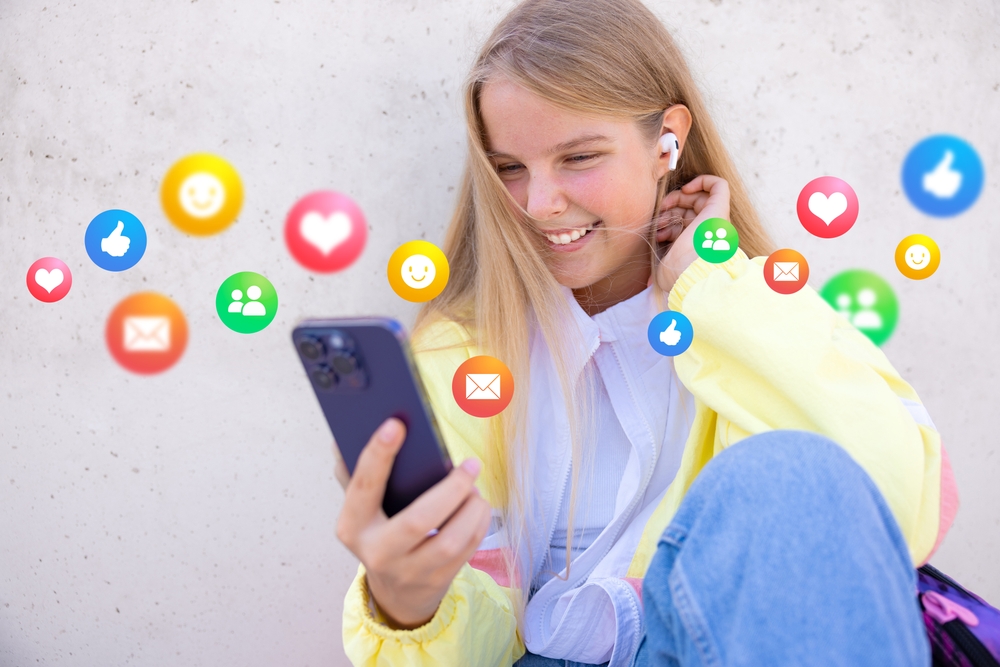
 The landscape of social media platforms continues to evolve. Despite many apps and sites racing to be number one, specific platforms have become top regarding daily users and teen engagement levels. As parents, it's crucial to identify the most common social media apps used by teens lately to learn your teens' pattern of usage and how these apps influence their preferences.
While the impacts of these spaces are not necessarily harmful, your teens may still need help in navigating these online communities at a young age.
The Top 10 Most Common Teen Social Media Apps
As of the latest statistics (most notably from Pew Research Center in 2023), here are the top 10 most common teen social media apps and what they're all about.
- YouTube: The undisputed champion for video content, music, tutorials, and vlogs.
- TikTok: Short-form video-sharing platform known for its addictive algorithm, challenges, and music.
- Instagram is primarily image-based. It's used for sharing photos, stories, and reels and connecting with friends and influencers.
- Snapchat: Focuses on ephemeral content, messaging, and augmented reality features.
- Facebook: While older generations primarily use this social network site, it still has a significant teen user base for connecting with friends and groups.
- Twitter (now X): Despite falling in popularity in recent years, this text-based app remains a source of news, discussions, and following interests.
- Discord: Originally meant for social networking gamers, it's now a popular platform for communities and interest-based groups.
- Pinterest: Image-based online platform for inspiration, ideas, and saving content.
- Reddit: A community-driven platform with a vast array of subreddits for various interests.
- WhatsApp: Primarily a messaging app but also used for group chats and sharing media.
Teen usage of social media in the US
More than 93% of American teens use social media. Out of the 40 million youths in the country, around 37 million teens are social media users in the US. YouTube is the platform they most often visit, followed by TikTok, Snapchat, and Instagram.
As a result, roughly 70% of teenagers and young adults in the US struggle with a social media addiction. On average, teenagers devote 1 hour and 40 minutes daily to their social media activities. Among teens aged 13-17, 14-16% visit YouTube, TikTok, and Snapchat almost constantly, while 29-38% also visit several times a day.
Instagram and Facebook, both owned by parent company Meta, are not as popular among teens as the other three. But they still record 47% and 19% daily visits by teens aged 13-17.

Positive and Negative Effects of Social Media on Teens
Social media can have both positive and negative effects on teens. Some of the positive effects are:
- Offering connection and support with their peers and age group
- Enabling teens to find and engage with communities of shared interests
- Helping teens form self-expression and cultivate their identities
- Provide a learning environment and awareness
- Developing creative abilities and digital skills
However, the risks are equally formidable. Parents, especially, must be aware of the pitfalls of excess use of social media by teens, such as:
- Mental health risks: Excessive use of social media can lead to anxiety, depression, and loneliness, often magnified by cyberbullying and online harassment.
- Unrealistic comparisons: The curated nature of social media content can lead teens to make unrealistic comparisons with peers, leading to issues with self-esteem.
- Addictive behavior: Social platforms can foster addictive behaviors, as teens may feel compelled to constantly check for updates and seek validation through likes and comments.
- Privacy and safety concerns: Young social media users can be vulnerable to privacy breaches, exposure to inappropriate content, and contact with strangers.
- Sleep disturbance: Excessive social media use, especially before bedtime, may result in poor sleep quality among teens, affecting their overall health and academic performance.
Parents and educators should recognize social media's positive and negative effects on teens. Only then can you help teenagers create a safe environment to grow with digital content while mitigating the risks.
Advice for Parents on Healthy Social Media Use
The parents' role in guiding teens toward healthy social media use is essential. Stay informed about the popular apps and the type of content your teens are exposed to as this will help you relate to your children's online experiences.
Monitor and set boundaries.
Monitoring and setting boundaries for social media use can help teens cultivate a balanced online presence.
- Place curfews on mobile device usage during certain times, such as family meals or an hour before bedtime.
- Keep track of the apps teens install and discuss each platform's content.
- Adjust the privacy controls that ensure your teen's personal information remains secure.
Encourage digital literacy
You can teach your teen to assess online content on their mobile devices critically.
- Guide them on verifying the credibility of information and recognizing misleading content.
- Discuss the permanence of online actions and how posts can affect personal and professional futures.
- Explain the business models of social media companies and how data is used and monetized.
Promote open communication
Maintaining open communication regarding social media experiences is vital. This includes:
- Express interest in your teen’s online activities and friend networks.
- Discuss the emotional impacts of online engagements, both positive and negative.
- Provide a non-judgmental space where teens feel comfortable sharing their concerns or experiences with cyberbullying or peer pressure.
The Most Common Teen Social Media App of 2024
YouTube has been the most used social media platform by teens in the past year, followed closely by TikTok, Snapchat, and Instagram. While there are many positive impacts of social media use for teens, you can't deny that the risks also exist. Peer pressure and cyberbullying may occur in your teen's social media life, and only with empathy and understanding can you help your teen mitigate the risks.
If you have trouble with your teen, Liahona Academy is here to help. We have a robust treatment program for troubled teens that involves family participation. Contact Liahona Academy today and seek treatment for your teen.
Learn more about Liahona Academy and how we are helping teens turn their lives around by subscribing to our YouTube channel.
