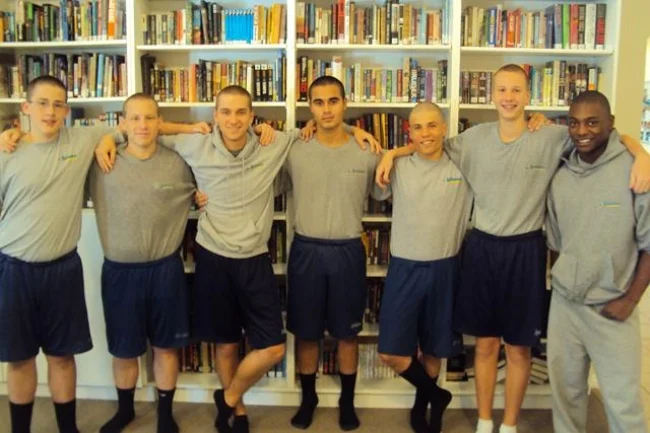
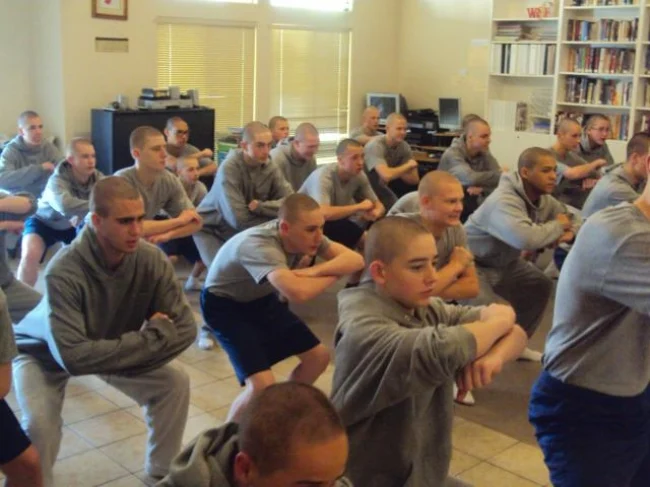
Liahona Academy Provides Education and More For Troubled Teen Boys
An education is a key part of getting ahead in the world, and the teen years are an important part of ensuring there is a safe and secure future. When teens are having trouble in traditional school, it’s hard for teachers to help them get caught up because they have the rest of the class to worry about. The teens end up failing classes and losing credits they need to graduate. Liahona Academy’s high-quality teachers run small classrooms so each student gets one-on-one help. At Liahona Academy, education is a priority. With an accredited program that leads toward a high school diploma, Liahona Academy students get to repair credit, learn from tutors and teachers, get up to grade level and beyond, all while getting professional therapy and expert help in addressing any learning disorders. The teachers have top training in special education so they know how to work with troubled teens who haven’t yet found success in school. Liahona Academy is ideal for those who need more academic support than the traditional system provides.
Startling Statistics on Teen Behavior in the United States
There are lots of reasons why teenagers behave badly when they are struggling in school. They can be facing a number of mental health issues and emotional trauma, such as depression, anxiety, ADD/ADHD, abuse trauma, oppositional defiant disorder, bipolar and more. Because they are frustrated at their feelings and don’t know how to meet the challenges that life brings, they engage in risky behavior that can get them into trouble, both at school and in the community. Just look at some of the things that troubled teens are doing across the country:
It’s hard for teenagers to focus on school and learning when they have so many other big issues and challenges dominating their attention. Only with professional help in a controlled environment can teenagers learn how to handle their issues and focus on school as well. A residential treatment center may be the best way to start the rehabilitation process and can be much more effective than a therapeutic boarding school or group home.
Boosting Education for Troubled Teens in Residential Treatment Centers
Therapeutic resident homes are ideal for those boys who need to get the academic and therapeutic support day in and day out. Traditional schools simply cannot meet this need, and only a resident school can really provide troubled teenage boys with what they need. Many parents who are too focused on the behavior issues and even the therapy fail to choose a program that also emphasizes the education and academic aspect of rehabilitation. After all, if a teen’s behavior is improving with therapy, why wouldn’t their academics improve with special education? Here are just a few things besides education that a residential treatment center can provide to struggling teenagers:
When mental health residential treatment centers are showing lots of success, it’s a good indication that the programs they have lined up are working well for their students. The treatment centers are those that balance therapy, academics, and lifelong learning into one holistic program. When teen boys understand that their future is in their own hands, rehabilitation takes a firm hold on them and they make incredible progress.
Liahona Academy Can Better Your Teen Boys Academic Standing
There are so many things that parents must look out for when they are choosing a help program, and sometimes academics doesn’t necessarily top the list. However, at Liahona Academy, students get the chance to continue their education while they are getting help for mental illness and emotional distress. Liahona Academy is the mental health residential treatment center that really can deliver on everything it claims, and getting boys to go from troubled teen to successful young man is the goal. Parents can get more details on the Liahona Academy treatment program when they phone 1-855-587-1416 anytime.