
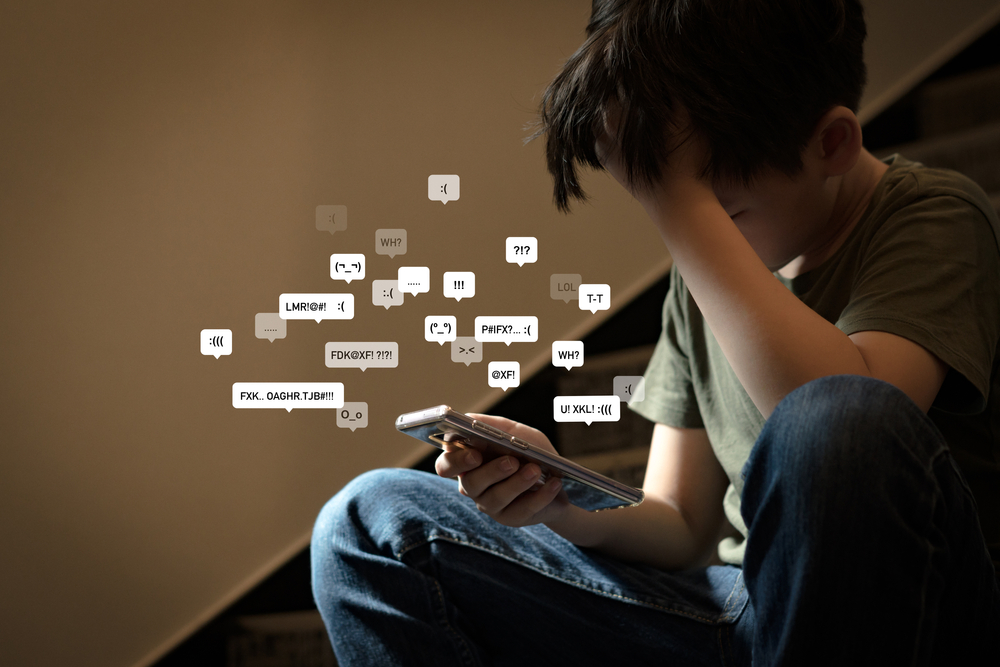
 Social Media has become a big part of everyday life for teenagers and parents alike. When used properly, social platforms like Facebook and X (formerly Twitter) can provide many opportunities for teenagers. However, there's a dark side to these digital platforms, and this could be part of the reason your teen is experiencing extreme anxiety.
According to the Arkansas Center for Health Improvement, teenagers who spend more than 4 hours on social media are more likely to experience symptoms of anxiety in two weeks compared to children who spend less time online. S,o what is causing this surge in anxiety symptoms, and how can you manage this problem? In this post, we've provided valuable information about what causes social media-induced anxiety and how you can help your teen with their mental health.
Cyberbullying Through Social Media
One of the reasons your teen may experience anxiety is because of cyberbullying through social media. Cyberbullying involves using social media to harass, intimidate, or demean others. For teenagers, this can lead to severe anxiety, as they constantly fear judgment or ridicule. Victims can feel isolated, withdraw from friends and family, and develop mistrust of others.
The relentless nature of online harassment can erode self-esteem and increase the risk of depression and, tragically, suicide. Teenagers who experience bullying online are four times more likely to have thoughts of suicide and attempts.
Access To Extreme or Inappropriate Content
Although some sites like Pinterest promote more positive and creative content, other platforms show extreme or inappropriate content to teenagers. Some content may even cause other problems in teenagers, like porn addiction and risky behavior. Additionally, social media sites may promote content such as self-harm or risk-taking challenges, which glamorizes these behaviors and increases symptoms of anxiety.
Disruption of Healthy Behaviors
Spending too much time on social media can disrupt a teenager's routine. For example, your teen may spend more time on social media than getting a good night's sleep or finishing homework and chores. Excessive social media use can also lead to feelings of being unmotivated, which can cause anxiety because teens aren't finishing important tasks and projects.
Other Criteria On Social Media That Trigger Anxiety
Since teenagers have heightened sensitivity because of hormones, they can experience symptoms of anxiety triggered by other types of content online, such as:
- Seeing posts about events they weren’t invited to.
- Pressure to share polished, positive content to maintain an ideal online image.
- Stress from needing likes and comments to validate their posts.
- Anxiety over uncontrollable posts about them by others.
- Fear of being replaced in friendships if they don’t react quickly or enthusiastically to posts.
- Overcommunication, such as constant texting, demands in relationships.
- FOMO (fear of missing out) from not staying updated on posts and feeling socially left out.
- Anxiety from being separated from their devices, worrying about missed messages, or privacy invasion.
How To Manage Your Teenager's Social Media Usage
It's important to take certain measures to prevent your teenager from developing social media-induced anxiety. Set parental controls and use apps to monitor and manage your teenager's social media usage effectively. Keep track of which platforms your teen uses, and limit their social media activity to one or two hours daily.
You can also encourage regular breaks by introducing them to healthy alternatives like sports, music, or in-person social gatherings. Balancing online and offline activities helps reduce dependence on social media and promotes mental well-being and healthier habits.
Tips To Help Manage Your Teen's Mental Health
As a parent, you may not always consider the stressors your teen is experiencing. However, there are ways you can help manage your teen's mental state. Start by becoming emotionally and physically available to your teen daily and offering support and attention. Monitor for any behavioral changes, as these could indicate mental health struggles.
If signs of mental illness emerge, seek an evaluation from a qualified mental health professional to ensure appropriate care. Stay vigilant about their online activities to prevent exposure to harmful content or behaviors. Lastly, create an environment of trust by encouraging open and honest communication so your teen can feel safe sharing their thoughts and feelings without fear of judgment.
Final Thoughts
Do you have suspicions your child is experiencing anxiety because of their social media usage? If you're struggling to minimize your teenager's social media usage because they're refusing to follow the rules, we at Liahona Treatment Center can help you. Our facility has various programs that can help your teen understand the importance of responsibility and how to manage their thoughts and emotions. Contact us today for a consultation, or visit our website for more details.
