Admissions staff available 24/7 via text (702) 686-9342

Residential Treatment in Hurricane, Utah

Residential Treatment Centers in Utah for Teen Boys Ages 13 to 17
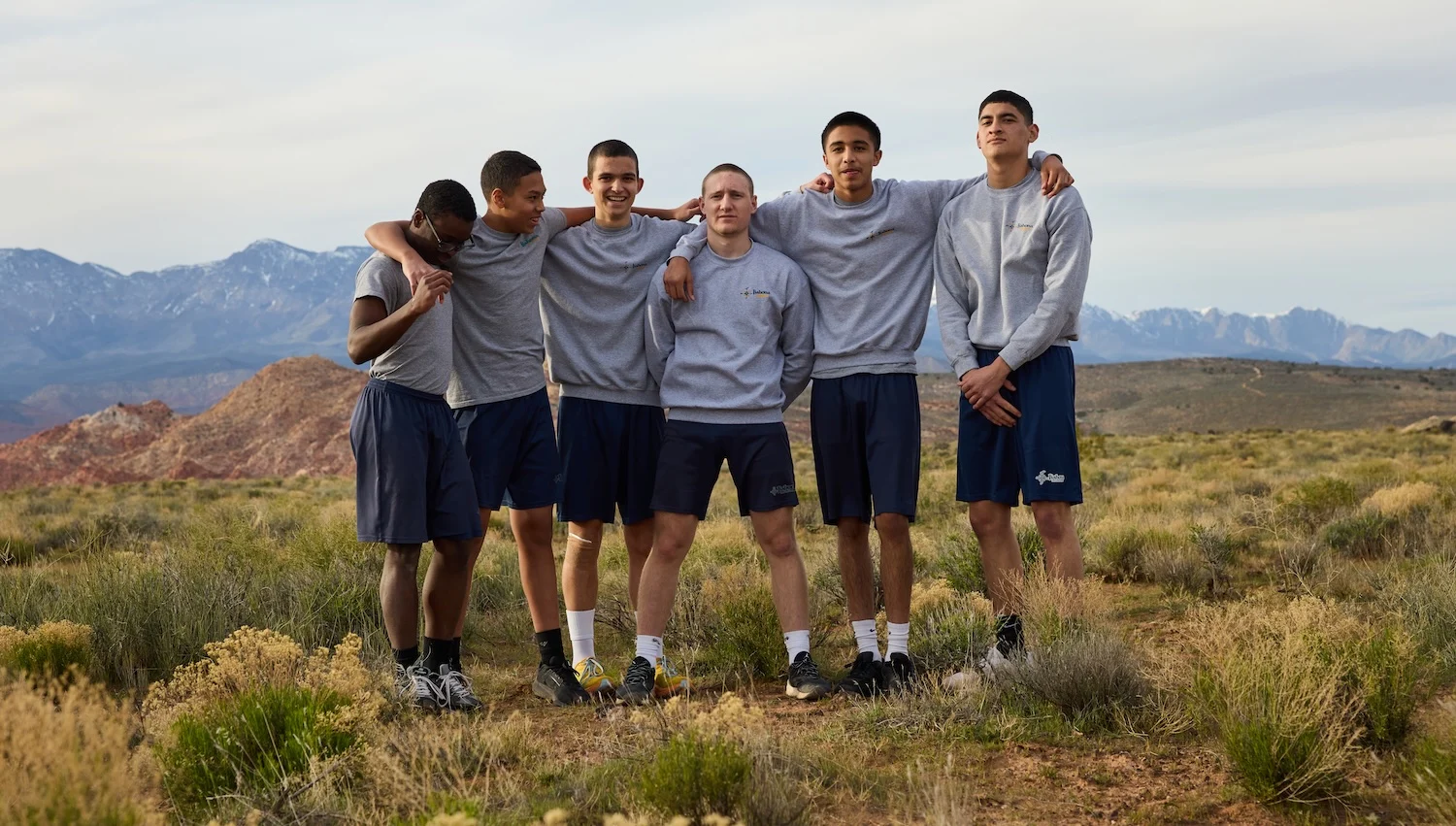
If your son is spiraling and weekly outpatient therapy is not changing anything at home, you have probably started searching for residential treatment centers in Utah. Liahona Academy is a licensed mental health treatment center for adolescents, serving boys ages 13 to 17 in Hurricane, Utah. We have helped teen boys and their families since 2001, and our admissions team answers calls 24 hours a day, 7 days a week.
This guide explains what youth residential treatment is, when it makes sense, how to compare Utah programs honestly, and what treatment looks like inside Liahona Academy.

Liahona Academy at a Glance

What Families Should Know First

Who We Serve

Boys ages 13 to 17 with behavioral issues, mental health concerns, and co occurring substance use.

Where

325 W 600 N, Hurricane, Utah 84737, in Southern Utah near St. George.

License

Licensed in Utah as a Mental Health Residential Treatment Center.

Clinical Team

A Utah-licensed medical doctor, a Utah-licensed psychiatric care provider, 5 Utah-licensed registered nurses, and therapists who are LCSW or above.

Therapy

Individual, group, family, and experiential therapy.

School

An accredited academic program working toward a high school diploma, not a GED.

Understanding Your Options

What Is a Residential Treatment Center?

A residential treatment center (RTC) is a live-in behavioral health program where a child or teen receives therapy, supervision, medical and psychiatric oversight, and school in one structured environment. It sits between outpatient services and inpatient hospitalization on the continuum of care, offering a more intensive level of support than weekly therapy.

Level of careWhat it isTypical use
Outpatient careWeekly therapy sessions while living at homeEarly or milder mental health issues
Residential treatment program24/7 live-in care with therapy, school, and structurePatterns that outpatient services have not changed
Inpatient psychiatric careShort, locked, hospital-based psychiatric stabilizationMental health crises and immediate safety risk
Wilderness or boot campOutdoor or hardship-based programs, often short-termVaries widely; often limited clinical care
The difference between residential and inpatient treatment is mostly intensity and purpose. A hospital unit stabilizes a crisis over days. An RTC works on the longer treatment process: building coping skills, repairing family relationships, and changing behavior over months.
If your son is in danger right now, call or text 988 (the Suicide and Crisis Lifeline) or go to the nearest emergency room. An RTC is not emergency care, and self harm or suicidal ideation in the moment needs crisis care first.

Is It Time?

When Youth Residential Treatment Makes Sense

Most parents who call us are not reacting to one bad week. They are reacting to a pattern that keeps getting worse despite real effort. Residential care may be the right level for your child when:
A good program gives a struggling teen a safe environment and a nurturing environment away from the old triggers. It gives your child quality care from people trained to work with adolescents, and a team that can hold a plan long enough for new habits to stick. Distance from home is not the treatment. A safe environment paired with real therapy is.

Why Utah

Why Families Choose Residential Treatment Centers in Utah

Utah has become one of the most common destinations for adolescents who need out-of-home care. Over several decades the state developed a dense cluster of residential programs because of available land, a workforce trained in youth care, lower operating costs, and a state licensing process for youth programs. Options range from hospital-based programs in Salt Lake City to rural campuses in Southern Utah.
For many out-of-state families, the distance itself is useful. It puts space between a teen and the friends, routines, and substances that keep pulling him backward. Southern Utah’s climate also makes year-round outdoor activity realistic, which supports recreational therapy and physical health.
Utah’s industry has also been publicly scrutinized, and that matters. A Utah address does not make a program good. Use the state’s reputation as a reason to look closer, not to decide faster. For more context, read why Utah is a top choice for teen residential treatment.

A Parent's Checklist

How to Compare Residential Treatment Centers Utah Families Are Considering

Whether you choose Liahona Academy or another program, ask every Utah program the same questions before you trust it with your child:
01

What is your exact license type?

Utah programs are licensed through the Department of Health and Human Services (DHHS) Office of Licensing. Ask for the license type in writing and look it up yourself.
02

Who is medically and clinically responsible?

Ask for the credentials of the physician, psychiatric provider, nurses, and therapists.
03

How much therapy will my son get each week?

Ask about individual therapy, group therapy, and family therapy separately.
04

Which evidence based treatments do you use?

Therapy options vary. Some programs center on dialectical behavior therapy (DBT), which teaches skills like distress tolerance, or cognitive behavioral therapy (CBT); others emphasize experiential therapies such as art therapy or outdoor adventure therapy. Ask how the treatment approach fits your son’s individualized treatment plan.
05

Is the school accredited?

Credits need to transfer home.
06

Is the program accredited?

Some programs hold Joint Commission accreditation; others hold different credentials. Ask what applies and verify it with the Joint Commission or the accrediting body directly.
07

What is your specialty?

Some centers focus on eating disorders, self harm, bipolar disorder, or acute behavioral health needs; others serve adolescents with defiance and co occurring substance use. Make sure the program is specifically designed for your son’s mental health challenges, not just willing to take your child.
08

How are crises, restraints, and searches handled?

Ask for the written policy and the overnight staffing plan.
09

How will you keep me involved?

Ask when the first family session happens and who calls you after intake.
10

What happens after discharge?

Ask about aftercare and the transition back to outpatient therapy at home, where the healing process continues.
A program that is proud of its quality care will answer every one of these without pressure. The answers play a crucial role in whether a placement protects your child’s well being.

Our Program

Inside Liahona Academy's Residential Treatment Program

Liahona Academy is a family-focused therapeutic program for boys. Each student receives personalized care and individualized treatment plans built around his needs, and our clinical, academic, and residential staff work as one team.

Individual Therapy

Individual therapy sessions happen weekly, and more often when a student needs it. Your son works with a licensed therapist on the issues underneath the behavior, including depression, anxiety, anger, grief, and self-esteem. This one-on-one work builds self awareness, coping skills, and the lifelong skills he will need at home.

Group Therapy

Group therapy happens daily. Specialty groups are assigned to match each student’s needs and include:
  • Substance abuse
  • Attachment
  • Grief and loss
  • Self-esteem
  • Anger management
  • Music
  • Life skills
  • Pornography addiction

Group work also builds healthy social interactions, team building, and self respect, and it gives boys practice handling conflict in a supportive environment. The music group gives adolescents who struggle to talk another way to process what they feel.

Family Therapy

We call Liahona Academy a family treatment program for a reason. Family therapy is held through a HIPAA-compliant video telemedicine program once your son reaches the applicable level, so parents anywhere in the country can take part. In-person family visits are part of the weekend schedule as he progresses. A supportive environment at home matters as much as one on campus. Healing happens faster when parents learn the same coping skills their son is learning, because family well being is part of the treatment approach.

Experiential and Recreational Therapy

Weekdays begin with recreational therapy, including a morning fitness run and outdoor time. Students who reach higher levels earn a weekly off-campus activity every Thursday, such as hiking, service projects, boating, swimming, or a movie and pizza night, usually followed by a meal in the community. These activities rebuild trust and give boys a reason to keep working.

Psychiatric and Medical Care

Our medical doctor, primary psychiatric care provider, and registered nurses see and examine your son on a regular basis to review his medical and mental health needs. How often depends on his needs and required level of care.

Substance Use in a Dual-Diagnosis Setting

Liahona Academy is licensed as a mental health residential treatment center, not as a substance abuse treatment center, and we are not a detox facility. Because mental illness and substance abuse often go hand in hand, and many adolescents use substances to manage untreated mental illness, we are a dual-diagnosis program that treats co occurring disorders. Recovery work uses the 12-step model, and substance use counseling happens in a separate group so boys who have never used are not exposed to “war stories.”

Academics

Your son keeps working toward a high school diploma, not a GED. Our education program is nationally accredited through AdvancED (now Cognia). We have 8 state-licensed teachers and 4 certified tutors, and we work with existing 504 plans and IEPs. Academic support helps boys recover credits and return home closer to grade level.

Daily Life

A Structured Day at Liahona Academy

A structured environment is part of the treatment approach. A typical weekday includes:

6:30 AM

Recreational therapy and morning fitness

Morning

Personal study, therapy assignments, a therapist-led group, and a process group focused on behavior, social skills, and team building

Midday

Lunch, chores, and journaling

Afternoon

Two academic blocks

Evening

Dinner with assigned peer families, daily evaluations, self-esteem study, and reading

9:00 PM

Lights out
Weekends add recreation, hiking, movies, and family visits. Schedules are adjusted to each student’s therapeutic goals.

Who We Help

Mental Health Issues and Behavioral Health Concerns We Treat

Liahona Academy helps young people facing a range of mental health issues and behavioral issues, including:
We do not treat every condition. Adolescents whose primary need is eating disorders treatment, active self harm requiring medical supervision, or acute mental illness requiring a locked unit are better served elsewhere. Our admissions counselors will tell you honestly if another level of care would serve your child better.

Hurricane, Utah

Our Location in Southern Utah

Liahona Academy is in Hurricane, Utah, in the red-rock country near St. George and Zion National Park. The campus is about 300 miles south of Salt Lake City and far from the city pressures most of our students leave behind, yet close enough to regional airports that families can fly in for visits. Most of our families live outside Utah, and we plan for that from the first call.

Insurance and Cost

Cost, Insurance, and Paying for Treatment

How much youth residential treatment costs depends on the program, length of stay, and level of clinical care. Ask our admissions team for current tuition and options.
Liahona Academy is not in-network with major insurance providers, but some plans offer out-of-network benefits for this level of care. We bill for residential and clinical services and submit documentation so you can seek the most reimbursement possible. Admissions can run a benefits check before enrollment. Insurance quotes are not a guarantee of payment, and insurers cover treatment only when they consider it medically necessary. Financing applications are also available.

Admissions

How to Get Your Son Into Residential Treatment

Step 1

Call admissions

Talk with an admissions counselor at (855) 587-1416, any time of day.
Step 2

Assessment

We review your son’s history, current behavior, and prior treatment to confirm residential care is the right fit.
Step 3

Benefits check and paperwork

We verify insurance benefits and walk you through enrollment.
Step 4

Admission

Your son arrives, meets his treatment team, and begins therapy and school.
Step 5

Treatment and family work

He progresses through individual, group, and family therapy and academics.
Step 6

Return home

We plan the transition home with you so progress continues.

Questions Parents Ask

Frequently Asked Questions About Utah Residential Treatment

Yes. Utah has many licensed programs for adolescents, including programs for boys, girls, and specific behavioral health conditions. Liahona Academy is a licensed mental health program for boys ages 13 to 17 in Hurricane, Utah.

Inpatient treatment is short-term hospital care to stabilize a mental health crisis. An RTC provides longer-term live-in care focused on therapy, school, and lasting behavior change once a teen is medically stable.

Length of stay depends on each child’s progress and the severity of the mental health issues involved. At Liahona Academy, students advance through levels as they meet therapeutic goals. Our admissions team can explain typical length of stay for your son’s situation.

For most adolescents, families usually pay directly, then seek reimbursement through out-of-network insurance benefits when coverage applies. Some families use financing. Ask any program for a written benefits check before enrolling.

If outpatient therapy has not helped, a licensed program that combines therapy, school, and family involvement is usually a better fit than a boot camp built on hardship. Liahona Academy helps defiant boys ages 13 to 17 and works with parents to decide whether residential care fits their child.

Yes. Family therapy sessions happen by secure video, and in-person family visits are part of the program as your son progresses.

Have a question we did not cover? See our full FAQ or call admissions any time.

We're Here 24/7

Talk With Our Admissions Team Today

You do not have to figure out the path forward alone. Call Liahona Academy at (855) 587-1416 or text (702) 686-9342, 24 hours a day, to talk through whether residential care in Utah is the right next step for your son and how teen struggles at home can turn around.